
About All ToursATV ToursHiking ToursFrom Antigua ToursPizza ToursFrom Guatemala City ToursPrivate ToursHorseback Tours Directions Hours & Fees
Find Tours 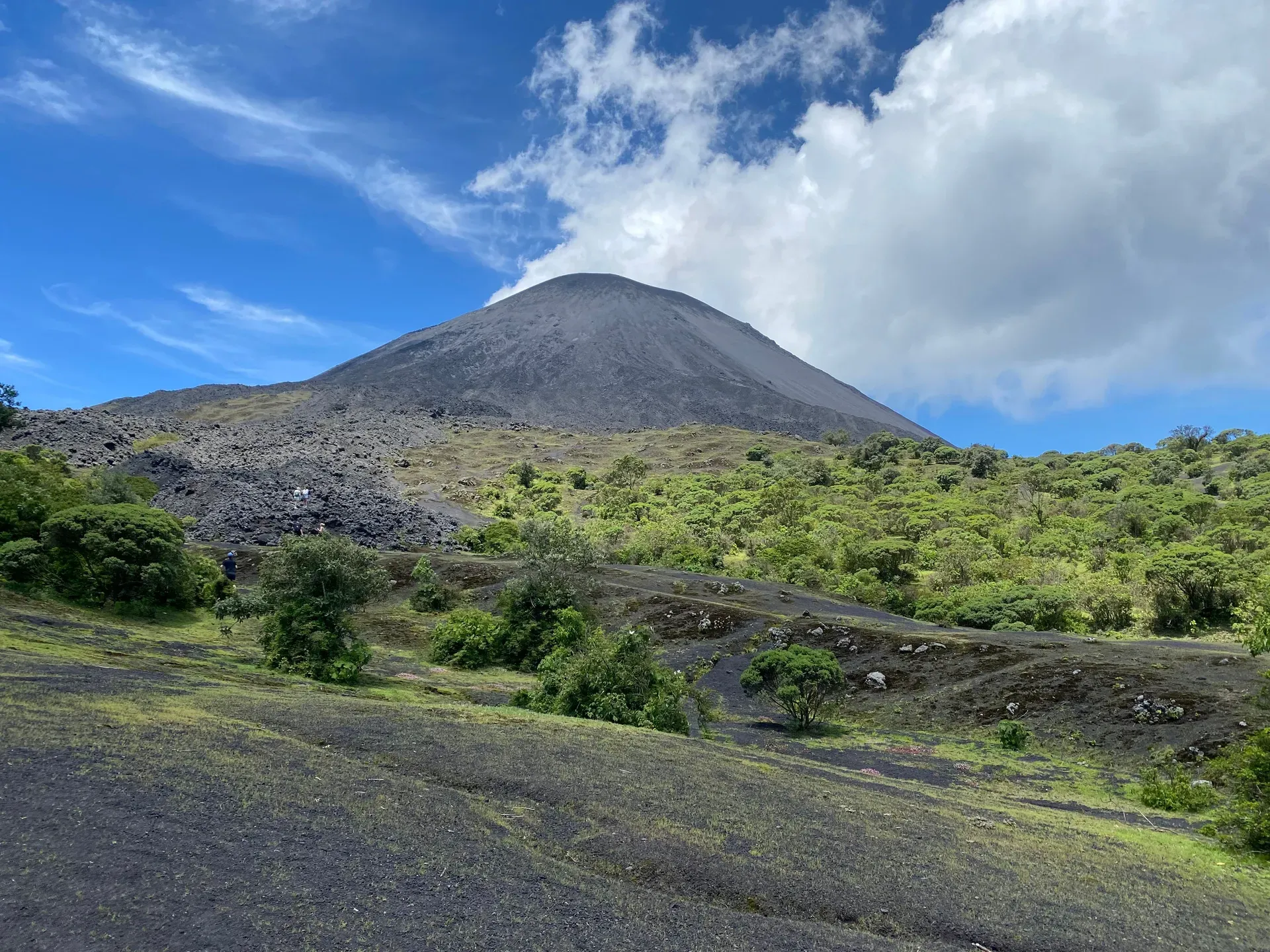
Pacaya National Park charges a Q100 cash-only entrance fee and legally requires all visitors to hire a local guide. Hikes depart daily in two primary slots, with morning groups finishing around 1:00 PM and afternoon sunset treks returning by 8:00 PM.
Pacaya Volcano operates through mandatory guided hikes divided into morning and afternoon departure slots. The dry season from December to April provides the most stable conditions, while heavy rains between May and October often turn the steep ash trails into dangerous slip hazards. Local authorities restrict access immediately during heightened seismic activity.
Swipe to see more
| Day | Hours | Note |
|---|---|---|
| Monday–Sunday | 06:00–20:00 | Access limited to morning tours (returning by 13:00) and afternoon sunset tours (14:00–20:00). Overnight camping requires advance booking. |
Severe thunderstorms during the May to October rainy season frequently disrupt tour schedules and reduce summit visibility to zero. Local authorities monitor the active McKenney cone and will completely close the park if seismic activity or eruption risks increase. Check with your tour operator the morning of your hike during these volatile months.
The standard Pacaya National Park entrance fee costs Q100 (around $13 USD) per person. You must pay this in cash at the visitor center, as credit cards are not accepted. Certain tour packages secure a discounted Q50 entry rate depending on the specific registration point.
Swipe to see more
| Category | Price | Note |
|---|---|---|
| Standard Park Entrance | Q100 (~$13 USD) | Payable in cash only at the visitor center |
| Discounted Park Entry | Q50 (~$6 USD) | Rate depends on specific tour packages or registration points |
| Walking Stick Rental | Q10 - Q20 | Rented from locals at the trailhead |
| Horse Rental | 150 - 300 GTQ | Available at the park entrance for ascending the trail |
| Shared Group Tour (from Antigua) | 150Q - 450Q ($20 - $60 USD) | Includes round-trip transport and mandatory local guide |
| Private Tour Excursion | 800Q - 1200Q | Allows custom departure times and private pacing |
No regular free entry days exist, and all visitors are legally required to pay for a certified local guide.
Planning your visit to Pacaya Volcano? Find tours with free cancellation and skip-the-line options.
View All ToursVisit between December and April or from June to August for clear views of Agua, Fuego, and Acatenango. These dry-season months provide stable weather and safer footing on the steep, 455-meter ascent, though you will encounter peak crowds. Avoid the heavy rainy season from May to October, when torrential downpours turn the loose volcanic ash into a slippery, dangerous slide with zero visibility.
Swipe to see more
| Period | Crowd Level | Recommendation |
|---|---|---|
| Morning (08:00–11:00) | Moderate | Clear early skies provide the highest probability of seeing neighboring peaks before afternoon clouds gather. |
| Midday (11:00–14:00) | Low | Temperatures peak across the exposed black lava fields, making the 455-meter climb physically exhausting. |
| Late afternoon (15:30–17:30) | High | Tour vans from Antigua arrive simultaneously for the sunset hike, filling the trail with large groups. |
| Evening (18:00–20:00) | High | Temperatures drop sharply on the upper slopes as hikers navigate the steep, ash-covered descent using headlamps. |
A full round-trip excursion from Antigua requires 6 to 8 hours, with 4 to 6 hours dedicated to the volcano. Your timeline depends heavily on traffic during the 38-kilometer drive and how long your guided group lingers on the lava fields. Booking a private tour lets you dictate the pace and skip waiting on slower hikers.
Wear durable, closed-toe hiking boots and long pants to navigate the sharp, jagged basaltic rocks. The dried lava fields easily cut exposed skin and destroy thin shoe soles. Pack a windproof jacket for the exposed upper slopes, which drop in temperature quickly after sunset.
Credit cards are not accepted at the trailhead. Bring small bills in Guatemalan Quetzales to pay the Q100 national park entrance fee and rent a wooden walking stick from local children for Q10 to Q20. The stick provides essential stability on the steep, slippery descent over loose volcanic ash.
Bring a dedicated headlamp if you join an afternoon sunset tour departing Antigua around 2:00 PM. The steep descent down the ash-covered trail is completed entirely in the dark. Relying on a phone flashlight leaves you with only one hand free to manage the 455-meter elevation drop.
Visit between December and April to secure stable weather and clear views of the neighboring Agua, Fuego, and Acatenango peaks. Torrential downpours and severe thunderstorms hit the region from May to October. Heavy cloud cover during these rainy months frequently results in zero visibility at the viewpoints.
Pack a face gaiter or scarf to block the volcanic dust and ash kicked up by other hikers. This debris causes respiratory irritation and makes breathing difficult near the 2,552-meter summit. Covering your mouth and nose becomes critical when descending behind a large group on the loose scree.
The standard entrance fee is Q100 (approximately $13 USD) per person. You must pay this in cash at the visitor center, as credit cards are not accepted. Local vendors rarely carry change for large bills, so bring small Guatemalan Quetzales.
Hiring a certified local guide is legally mandatory to access the national park trails. You can arrange one directly at the San Francisco de Sales or San Vicente Pacaya visitor centers, or book an organized tour from Antigua. Going alone violates park regulations.
Hikes typically operate in two daily slots. Morning groups depart early and return around 1:00 PM, while afternoon sunset tours leave Antigua near 2:00 PM and finish by 8:00 PM. Private tours cost 800 to 1200Q and allow you to set your own departure time.
A typical day trip lasts 6 to 8 hours from Antigua. This covers a 1.5 to 2-hour drive each way and a 4 to 6-hour hike. The actual ascent covers 2.6 kilometers of loose volcanic soil and takes about 1.5 to 2 hours.
Hiking directly to the active summit is strictly prohibited due to extreme safety hazards. Guides legally enforce this rule and stop groups at designated overlooks on the dried lava fields. You will still feel intense geothermal heat radiating through cracks in the basaltic rock here.
December through April and June through August offer the most stable weather and clear visibility. May to October brings heavy rain and severe thunderstorms. Torrential downpours frequently turn the steep, ash-covered trails into dangerous mudslides and drop visibility to zero.
Local community members rent horses at the trailhead for 150 to 300 GTQ. Children also rent out wooden walking sticks for Q10 to Q20. These sticks provide essential stability on the steep, slippery descent over loose volcanic gravel.
Browse verified tours with free cancellation and instant confirmation.
Find Tours